
St Patricks National School
Blacklion, Cavan
Key facts
- DEIS
- Mixed
- Pupils enrolled
- 60 smaller than the median Irish primary school (123 pupils)
- Girls and boys
- 29 girls, 31 boys
- Ethos
- Catholic
- Teaching through Irish
- No subjects through Irish
- Roll number
- 19871N the Department of Education reference for this school
School details
About
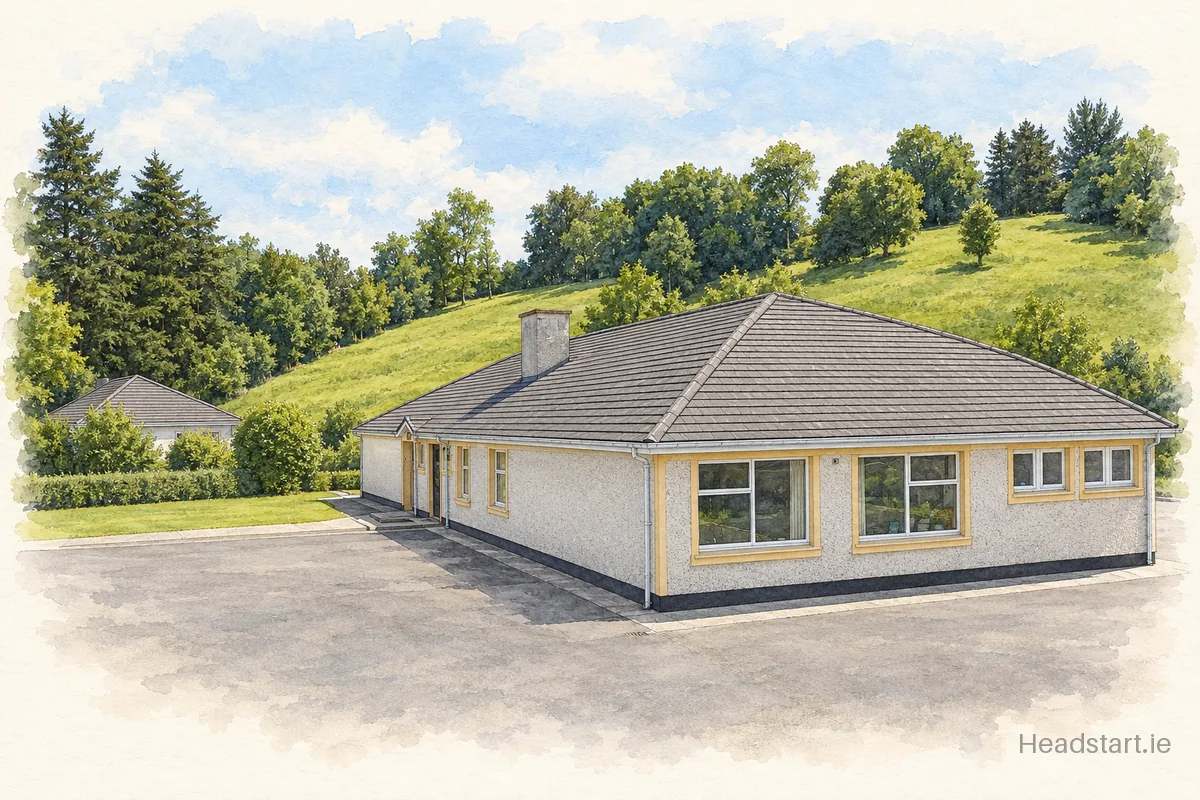
Scoil Naomh Pádraig is a co‑educational Catholic national primary school situated in the rural village of Killinagh, Blacklion, County Cavan. The school serves children from Junior Infants to Sixth Class and welcomes pupils of all faiths. Its ethos promotes a caring, well‑ordered environment that nurtures the intellectual, spiritual, physical, moral and cultural development of each child, while also respecting diversity and encouraging parental involvement. The campus benefits from generous outdoor space, including a garden and polytunnel, a prefabricated building, grass‑area playground, two soccer courts, a basketball court, a grass pitch and a colourful yard for the junior room. Each classroom is equipped with an interactive whiteboard, laptops and tablets for daily use, and the school receives regular visits from a GAA coach and music teacher to enrich the curriculum. A small dedicated team of teachers provides mainstream instruction alongside specialist support for special educational needs (SEN) and English as an Additional Language (EAL), ensuring inclusive learning for all pupils.
History
Scoil Naomh Pádraig opened in 1993, consolidating the former schools of Cornagee and Barran in the Killinagh parish. The new school initially accommodated 87 pupils with four teachers, drawing its catchment from Killinagh, Moneygashel and the wider Doobally area, which had previously been served by several smaller rural schools. Over the years the pupil roll fluctuated, leading to adjustments in staffing levels, but the school has continued to serve the local farming community and families associated with the nearby Loughan House Prison. The school remains a central part of the community, situated beside St Patrick’s Church and close to the scenic Cuilcagh mountains and Lough McNean.
Applying to St Patricks National School
For a September 2027 place, a school's formal admissions process cannot begin before 1 October 2026. The school sets its own opening and closing dates in its annual admission notice.
National term dates 2026/27
Irish schools follow a standardised school year, so these nationwide primary school dates apply broadly to St Patricks National School. Individual schools set their own discretionary closure days, confirm exact dates with the school.
- October Mid-Term Break: Mon 26 Oct – Fri 30 Oct 2026
- Christmas Holidays: Wed 23 Dec 2026 – Tue 5 Jan 2027
- February Mid-Term Break: Thu 18 Feb – Fri 19 Feb 2027 (post-primary schools: Mon 15 Feb – Fri 19 Feb 2027)
- Easter Holidays: Mon 22 Mar – Sun 4 Apr 2027
Primary schools close for the last two days of the February mid-term week and may use discretionary days to take the full week, so their break can be shorter than post-primary schools'.
Frequently asked questions about St Patricks National School
How many pupils attend St Patricks National School?
St Patricks National School has 60 pupils enrolled, 29 girls and 31 boys. That makes it smaller than the median Irish primary school, which has 123 pupils.
Is St Patricks National School a DEIS school?
Yes. St Patricks National School is part of DEIS, the Department of Education programme called Delivering Equality of Opportunity in Schools. DEIS schools serve communities at risk of educational disadvantage and receive additional supports, which can include smaller classes, extra teaching posts and funding for books and meals.
What is the ethos of St Patricks National School?
St Patricks National School has a Catholic ethos. It is a mixed primary school.